Do acrylic nails damage your nails? What our natural nail salon wants you to know
Here’s something most articles about acrylic nail risks won’t give you — a view from the other side of the table.
We sit across from clients every week who’ve worn acrylics for years. Their nails are paper-thin. Cuticles cracked and peeling. Skin around the nail folds red and irritated from acetone. That damage is real, it’s common — and almost nobody talks about what it actually looks like up close.
So let’s cut through it. Acrylic nails can damage your natural nails. The application process files down your nail plate. The chemicals — particularly methacrylate monomers — can cause allergic reactions and irritate your skin. The removal process dehydrates your nail bed and cuticles. None of this is permanent for most people, but recovery takes four to six months for a full nail to grow out. And some risks, like chemical sensitization, don’t reverse easily.
Here’s what we’ve learned from helping clients make the switch — alongside what dermatologists and researchers have found.
What are acrylic nails and how are they applied?
Acrylic nails are a type of artificial nail made by mixing a liquid monomer with a powder polymer. That mixture forms a paste your nail technician applies over your natural nail, then shapes before it hardens. Acrylic nails may look like your own nails — just longer and stronger — but the chemicals like ethyl methacrylate (EMA) that make them possible are potent sensitizers.
Before that paste goes on, your nail tech files the surface of your natural nail plate so the acrylic bonds properly. The American Academy of Dermatology’s guidance on artificial nail safety is direct: nails must be filed until they feel rough, and this thins and weakens them. The process of applying acrylic nails always starts with that trade-off.
Every two to three weeks, a gap forms between the acrylic and your cuticle as nails grow. Fill appointments address it — but each one means more filing, more chemical exposure. Wearing acrylics long-term is where the real danger lies. A single set of nails can last up to eight weeks, which is part of the appeal. But the application and removal process can damage nails in ways you don’t notice until the acrylics come off.
How do acrylic nails damage your natural nails?
Be honest — this is the question you’re really asking when you search “are acrylic nails bad for you.” The answer involves several overlapping mechanisms. None of them are subtle.
Nail plate thinning from filing
Every acrylic application starts with filing. Every fill repeats it. Over time, this strips away the keratin layers of your natural nail — the layers that give it strength and flexibility. Dermatologists call the result worn-down nail syndrome.
A 2025 systematic review in the Journal of Cosmetic Dermatology (Javaid et al.) identified worn-down nail syndrome as one of the most commonly reported adverse outcomes of acrylic manicures — characterized by triangular thinning of the nail plate with pinpoint hemorrhages underneath [2].
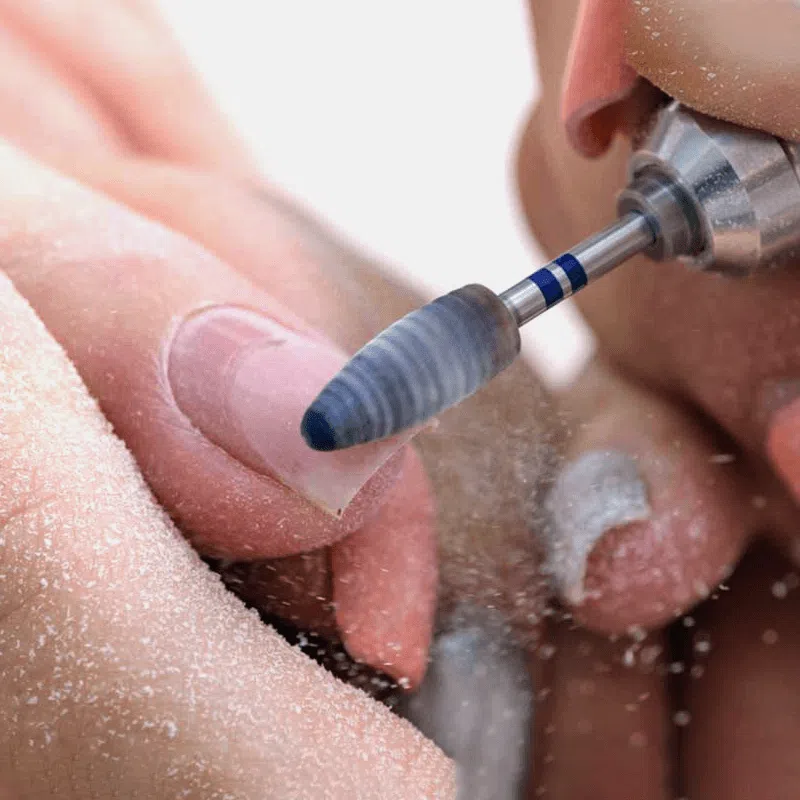
“Removing acrylics can damage or remove the top plate of your nail, leaving you with weak or brittle nails for about six months before healthy nail grows enough to replace it.”
Cuticle and skin damage
Methacrylate monomers can irritate the skin around your nails, and aggressive cuticle pushing compounds the problem. The AAD recommends skipping cuticle trimming entirely — cuticles protect your nails and skin from infection [1].
Here’s what we see in Fort Collins specifically: dry, cracked cuticles and redness around nail folds after long-term acrylic wear. At 5,000 feet with low humidity most of the year, that dehydration hits harder. Nails lose moisture and become brittle. Peeling is more common. When nails are already weakened from acrylics, the dryness makes recovery feel longer. (More on that in our guide to nail health.)
What the removal process does to your nail bed
Here’s the thing most people underestimate: the removal process might cause more damage than the acrylic itself.
Removal means soaking nails in acetone for 15–20 minutes or mechanical filing with a rotary tool. Dr. Dana Stern, a board-certified dermatologist who specializes in nails, has said the removal process is what causes the most nail damage. Gritty files and sanders used to scrape product off can cause significant — sometimes irreversible — damage to the nail and cuticle [4].
Dr. Shari Lipner, director of the Nail Division at Weill Cornell Medicine, notes that acetone soaking peels off layers of nail and thins them over time.
And clients who peel or pull off acrylics at home? That’s worse. Sections of the natural nail plate come with them. Dr. Stern describes that trauma as damaging the nail matrix itself — leading to surface irregularities, white patches, and grooves [4].

A woman in Texas even had to go to the hospital after a bad infection from her acrylic nail. You can read more about her experience in this Fox News interview. This shows how important it is to go to a licensed nail technician and make sure they use clean tools.
Signs your nails are damaged from acrylics
Damage from acrylics is cumulative. Here are the signs of damage to watch for once the acrylics come off:
| What you see | What it means | When to worry |
| Thin nails that bend like paper | Keratin layers stripped from repeated filing [2] | Common — recovers with grow-out |
| Peeling or splitting at the free edge | Keratin layer separation from mechanical trauma | Avoid picking; use protective overlays |
| White patches or rough nail surface | Surface trauma from over-filing | Usually cosmetic — not fungal unless green/yellow |
| Redness around nail folds | Chemical irritation from monomers or acetone | See a dermatologist if persistent |
| Dry, cracked cuticles | Dehydration from acetone and chemical exposure | Daily cuticle oil — worse in dry climates |
| Green or yellow discoloration | Pseudomonas bacterial infection [6] | See a dermatologist — needs medical attention |
So are acrylics bad for your nails? In most cases, yes — especially with long-term wear. The question is really about degree and what you do about it.
Can acrylic nail chemicals harm your nails and skin?
Yes. And the risk is growing faster than most people realize. The chemical exposure works two ways: what touches your skin and what you breathe.
Methacrylate sensitization and contact dermatitis
The Javaid et al. systematic review found allergic contact dermatitis in roughly 60% of studies examining acrylic manicure complications [2]. When methacrylate monomers touch skin before they’ve fully hardened, they can cause allergic reactions — itching, redness, swelling, and in some cases blistering or the nail lifting from the nail bed.
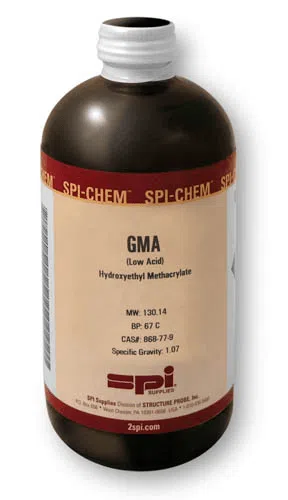
A 2024 study in the Journal of the American Academy of Dermatology (Riva and Woodruff) examined 66 at-home acrylic, gel, and powder nail products. Zero out of 66 included warnings about sensitization risk. The most common allergens: ethyl cyanoacrylate (44% of products) and 2-HEMA (16%) [7].
Once sensitization develops, it can trigger cross-reactions with compounds in dental materials, medical adhesives, and bone cements. That’s a problem that extends well beyond your nails.
HEMA restrictions: what the EU did (and the U.S. hasn’t)
In 2020, the European Commission restricted HEMA-containing nail products to professional use only under Regulation 2020/1682. A 2025 audit across seven European centers (Wilkinson et al.) tracked 26,000+ patients and found HEMA allergy rates more than doubled between 2016 and 2023 — despite the regulation [9]. The U.S. has no equivalent restriction.
Acrylic nail fumes and salon air quality
The CDC’s National Institute for Occupational Safety and Health reports over 400,000 active nail technicians in the U.S., exposed to dozens of chemicals daily.
A 2019 NIOSH health hazard evaluation of four nail salons found formaldehyde above the recommended exposure limit in 6 of 24 measurements. None of the salons met ventilation guidelines. One was using a monomer containing nearly 100% methyl methacrylate — a substance the FDA declared poisonous in cosmetic nail preparations in the 1970s [11][12].
For clients, per-visit exposure is much lower than what technicians face daily. But poor ventilation means acrylic dust and fumes can still irritate your lungs, eyes, and nose. NIOSH has documented that EMA — the replacement for MMA — still causes contact dermatitis, asthma, and eye and nose irritation.
Acrylic nails and pregnancy: what the research says
A 2021 study in Occupational and Environmental Medicine (Siegel et al.) analyzed data from 43,000+ mothers. Nail technicians during early pregnancy were roughly three times more likely to have infants with congenital heart defects — adjusted odds ratios of 2.7 to 3.5. The sample was small (61 nail technician mothers), so the results are preliminary, but NIOSH highlighted them as significant [15].
This was occupational exposure — not occasional salon visits. Still, if you’re pregnant or planning to become pregnant, the AAD’s guidance to reserve artificial nails for special occasions applies with extra weight [1]. Choose well-ventilated salons, opt for formulations free of formaldehyde, toluene, and DBP, and talk to your doctor. (Our guide to non-toxic nail care covers what to look for.)

Should you take a break from acrylics? How nails recover
If your nails hurt during removal, feel thin, or show any of the damage signs above — yes. Take a break. The AAD recommends it [1].
Here’s the recovery timeline we typically see with clients who make the switch:
| Timeframe | What happens | What to focus on |
| Weeks 1–2 | Nails feel fragile and exposed; cuticles begin to recover | Protective overlay or structured gel; start daily cuticle oil |
| Weeks 2–4 | Initial improvement — less discomfort, cuticles healing | Keep filing minimal; hydrate hands and nails consistently |
| Weeks 4–8 | Noticeable strengthening; healthy new growth visible at the cuticle | Continue overlays if needed; watch for signs of nail infection |
| Months 3–6 | Full nail plate replacement — damaged nail grows out completely [3] | Transition to regular manicures; maintain gentle nail care routine |
The damaged portion has to physically grow out. No shortcut exists. During that time we focus on protective overlays, daily cuticle oil (especially in Colorado’s dry air), and keeping filing to a minimum.
The pattern we see most often: clients come in after years of acrylics saying their nails hurt when they’re removed. The nails are very thin and sensitive. After switching to structured gel or Gel X Extensions, most notice less pressure, healthier cuticles, and gradual improvement as the damaged nail grows out. Within a few months, many don’t feel the need to go back.
Safer alternatives to acrylic nails
You don’t need acrylics. Good nails without the trade-offs — that’s the whole point.
| Factor | Acrylic nails | Gel X Extensions | Non-toxic polish (Zoya / Dazzle Dry) |
| Filing required | Heavy — nail plate roughed up for bonding | Minimal | None |
| Chemical exposure | EMA monomers, formaldehyde, toluene | Gel adhesive only — no monomer mixing | Free of formaldehyde, toluene, DBP |
| Removal | 15–20 min acetone soak or rotary filing | Soak-off | Standard remover or peel-off |
| UV/LED lamp | No (air cured) | Yes (LED) | No (Dazzle Dry air-cures in ~5 min) |
| Durability | Up to 8 weeks with fills | 3–4 weeks | Up to 2 weeks |
| Nail thinning risk | High [2] | Low [1] | Very low |
| Sensitization risk | High [7] | Lower | Minimal |
Gel X Extensions use pre-formed soft gel tips, cured with LED — no monomer mixing, no heavy filing. The AAD recommends soak-off gel nails over acrylics because they’re more flexible, meaning your nails are less likely to crack [1]. We use The Gel Bottle for structured overlays and Gel X for length.
For clients who don’t need extensions, regular manicures with non-toxic nail polish work well. Zoya is formulated without formaldehyde, toluene, and DBP. Dazzle Dry is a quick-dry lacquer that lasts up to two weeks without UV curing — a solid gel polish alternative without the lamp. Your nails don’t need harsh chemicals to look good. You can have beautiful nails and healthy nails at the same time. (Our pedicure services follow the same non-toxic approach.)
How to keep your nails healthy at a nail salon
- Choose a nail salon that uses LED curing lights over UV lamps — LED emits lower UV radiation and cures faster
- Ask your nail tech to skip cuticle trimming
- Look for good ventilation — if you can smell strong fumes, the airflow isn’t adequate
- Ask how products will be removed — avoid salons that use aggressive rotary filing
- Apply cuticle oil daily between appointments, especially in dry climates
- Watch for redness, swelling, or irritation after appointments — these can signal sensitization
These habits help you keep your nails healthy whether you wear extensions or not.
FAQ: Are acrylic nails bad for you?
Usually not. The nail plate regenerates as it grows — four to six months for a full replacement [3]. If the nail matrix is damaged from aggressive filing or trauma, ridges or bumps can persist [4]. But most clients recover fully with time and proper nail care.
Continuous wear means continuous filing, fills, and acetone exposure. The AAD recommends breaks between applications [1]. Wearing acrylics nonstop for months increases the risk of thinning, nail infection, and chemical sensitization [2].
The AAD recommends soak-off gel nails over acrylics because they’re more flexible and less damaging to remove [1]. Press-on nails are lower-risk for occasional use. Gel X Extensions offer acrylic-like length with less aggressive prep. No artificial nail is completely risk-free — but some systems are meaningfully gentler on your natural nails.
Acrylic products contain formaldehyde (IARC Group 1 carcinogen), and UV lamps emit UVA radiation. Direct cancer risk to salon clients from these exposures is not well studied. The FDA considers UV nail lamps relatively low risk [12], but the AAD recommends sunscreen on hands or LED lights to reduce exposure [1].
Research on pregnancy risk focuses on occupational exposure for nail technicians, not occasional client visits. The Siegel et al. study found elevated risk among technicians, not clients [14]. Reduce exposure by choosing well-ventilated salons, opting for formulations free of formaldehyde, toluene, and DBP, and discussing concerns with your doctor.
At Velvet Files, we don’t do acrylics — and now you know why. We chose gel systems, non-toxic polishes, and extension methods that give clients the look without the damage. If you’re ready to make the switch, or your nails need recovery time — we’re here.
Or call us at (970) 484-3788.
Trust metadata
- Author: Velvet Files (est. 2014, Fort Collins, CO)
- Last updated: March 2026
- Sources verified: March 2026
- Medical disclaimer: This article is for informational purposes and is not medical advice. For concerns about nail health, allergic reactions, or skin conditions, see a board-certified dermatologist.
References
- American Academy of Dermatology. Artificial nails: Dermatologists’ tips for reducing nail damage. Available from: https://www.aad.org/public/everyday-care/nail-care-secrets/basics/pedicures/reduce-artificial-nail-damage
- Javaid K, Mistry S, Tchack M, Musolff N, Rafiq B, Rao B. Dermatologic conditions associated with various types of popular nail cosmetics: a systematic review. Journal of Cosmetic Dermatology. 2025;24(10):e70519. doi:10.1111/jocd.70519
- Cleveland Clinic. Are acrylic nails bad for your nails and skin? Health Essentials. 2024 Apr 24. Available from: https://health.clevelandclinic.org/are-acrylic-nails-bad-for-you
- Stern D. Quoted in: Giles P. Here’s what really happens to your nails when you get acrylics. Bustle. 2022 Jul 20. Available from: https://www.bustle.com/style/are-acrylics-bad-for-your-nails
- Lipner S. Quoted in: American Academy of Dermatology. Dip powder manicure: 5 tips to keep your nails healthy. Available from: https://www.aad.org/public/everyday-care/nail-care-secrets/basics/pedicures/dip-powder-manicure
- Stern D. Quoted in: NewBeauty. Look out for this when acrylic nails come off. Available from: https://www.newbeauty.com/acrylics-yellow-green-nail-causes-and-treatments/
- Riva HR, Woodruff CM. Allergens and consumer warnings in at-home acrylic manicure kits. JAAD. 2024;91(6):1221–1223. doi:10.1016/j.jaad.2024.08.011
- Commission Regulation (EU) 2020/1682. Restriction of HEMA and di-HEMA TMHDC in nail products. OJ L 379/31. Available from: https://eur-lex.europa.eu/legal-content/EN/TXT/PDF/?uri=CELEX:32020R1682
- Wilkinson SM, et al. Contact allergy to methacrylate nail products: lack of impact of EU legislation. Contact Dermatitis. 2025;92(4):283–290. doi:10.1111/cod.14745
- CDC/NIOSH. Nail technicians: workplace safety and health. Updated 2026 Jan 16. Available from: https://www.cdc.gov/niosh/nail-technicians/about/index.html
- Broadwater K, Chiu S. Evaluation of chemical exposures and ventilation at four nail salons. NIOSH HHE Report 2015-0139-3338. 2019. Available from: https://www.cdc.gov/niosh/hhe/reports/pdfs/2015-0139-3338.pdf
- U.S. FDA. Nail care products. Available from: https://www.fda.gov/cosmetics/cosmetic-products/nail-care-products
- NIOSH. Controlling chemical hazards during artificial fingernail application. Publication 99-112. Available from: https://www.cdc.gov/niosh/docs/99-112/default.html
- Siegel MR, et al. Maternal occupation as a nail technician and birth defects. Occup Environ Med. 2022;79(1):17–23. doi:10.1136/oemed-2021-107561
- Van Buren K, et al. Researching risk of birth defects among nail salon workers. NIOSH Science Blog. 2021 Nov 3. Available from: https://blogs.cdc.gov/niosh-science-blog/2021/11/03/birth-defects-nail-hair/